
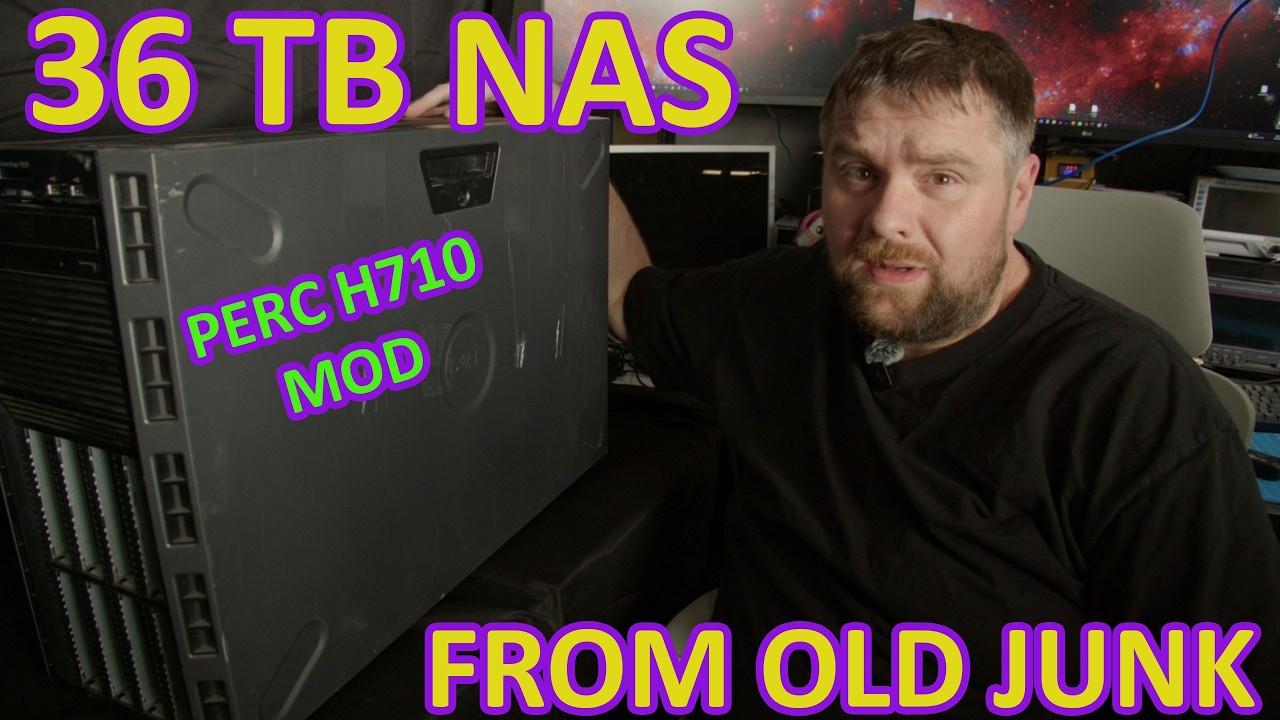
In a fascinating exploration of DIY tech, the latest video showcases the transformation of an old Dell PowerEdge T620 server into a robust home file server using Unraid. The project aims to demonstrate that it is possible to build a cost-effective, expandable Network-Attached Storage (NAS) solution without spending a fortune on new hardware or matching drives. By repurposing enterprise-grade equipment and used hard drives, the creator embarks on a journey to prove that “junk” can indeed be turned into a valuable resource.
Overcoming Challenges with Old Hardware
However, utilizing older enterprise hardware comes with its own set of challenges. The Dell PowerEdge T620 features a PERC H710 RAID controller, which isn’t the most compatible choice for Unraid. To overcome this hurdle, the creator plans to flash the RAID controller into IT/HBA mode. This modification will allow Unraid to access individual SAS and SATA drives directly, bypassing the limitations imposed by the RAID configuration. The video delves into the technical details of this process, illustrating the steps necessary to ensure smooth operation.
Setting Up the Unraid Array
Once the hardware modifications are complete, the focus shifts to configuring the Unraid array. The creator discusses the importance of setting up parity protection, which is essential for safeguarding data against drive failures. Additionally, the video emphasizes the creation of an SSD cache pool using a Samsung 870 EVO SSD, which enhances performance by caching frequently accessed data. By sharing insights on how to create network shares, the creator makes it clear that Unraid provides a user-friendly interface for managing storage, even for those new to the platform.
Mixing Drive Capacities for Flexibility
A standout feature of Unraid highlighted in the video is its ability to accommodate drives of different capacities. This flexibility means that users can mix and match various hard drives, making it easy to expand storage as more drives become available. The creator shares their excitement about the potential for future growth, as they plan to add additional inexpensive drives over time. This aspect of Unraid not only promotes cost-effectiveness but also encourages creativity in building a personalized storage solution.
Useful Resources and Community Support
The video also includes valuable resources for viewers looking to replicate the project. Links to the Unraid USB creator, firmware downloads, and essential software are provided, ensuring that viewers have access to the tools needed for their own server builds. Additionally, the creator shares a 3D print file for a custom drive caddy, further underscoring the collaborative spirit of the tech community. By making these resources available, the creator fosters an environment where DIY enthusiasts can learn and grow together.
In conclusion, this engaging video not only showcases the journey of building a home file server from old hardware but also serves as an inspiring guide for those looking to venture into the world of DIY tech. With a focus on sustainability and cost-effectiveness, the project proves that with a bit of ingenuity and the right tools, anyone can create a powerful storage solution without breaking the bank.
n this video, I'm turning an old Dell PowerEdge T620 and a pile of random used hard drives into a massive home file server using Unraid.
The goal is simple: build a cheap, expandable NAS without buying a stack of matching drives or thousands of dollars worth of new hardware.
Of course, this being old enterprise hardware, nothing is quite that simple.
The T620's PERC H710 RAID controller isn't ideal for Unraid, so I'll be flashing it into IT/HBA mode to give Unraid direct access to the individual SAS and SATA drives. We'll also deal with the T620's boot quirks, set up the Unraid array and parity protection, configure an SSD cache pool, and create network shares. The best part is that Unraid lets me mix all these random drives of different capacities and expand the server later as I find more cheap storage.
Can a pile of old enterprise junk actually make a good modern home server?
Let's find out.
Software links: -Unraid USB creator: https://docs.unraid.net/unraid-os/getting-started/set-up-unraid/create-your-bootable-media/ -Unraid Images: https://docs.unraid.net/unraid-os/download_list/ -Fohdeesha Firmware: https://fohdeesha.com/docs/perc.html -Rufus: https://rufus.ie/en/
-3D Print File for drive caddy: https://www.thingiverse.com/thing:6341208
Hardware: Dell PowerEdge T620 Dell PERC H710 flashed to IT/HBA mode Mix of used 8TB, 4TB SAS/SATA hard drives Samsung 870 EVO SSD cache
Watch on YouTube: I Built an Unraid file Server From Cheap Old Junk
Subscribe: Click here