
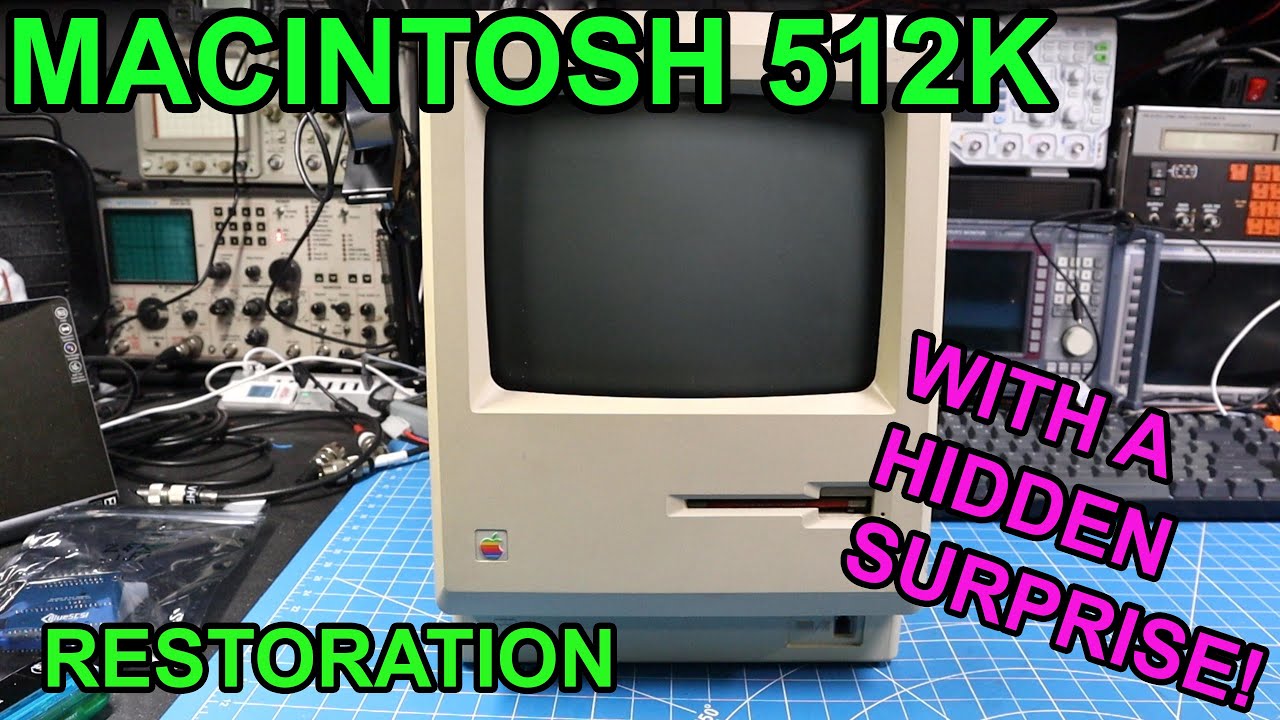
In a recent video, a vintage Macintosh 512K was the star of the show, revealing both its long-neglected condition and the hidden surprises within. The host began by diagnosing the issue with the computer, which was displaying random checker lines on the screen—an indication of potential capacitor failure or ROM issues. Determined to breathe new life into this classic piece of technology, the presenter set out to replace the capacitors and investigate the intriguing add-on SCSI card nestled inside the machine.
Upon opening the Macintosh, the host discovered a leaking battery that had thankfully contained itself within the holder, making removal straightforward. However, the SCSI card was not as securely fastened, having fallen into the casing. This led to an exciting revelation that the ROM chips were absent, likely due to the SCSI card’s installation. The presenter noted that while there are various SCSI cards available online, this particular model was somewhat rare, with SuperMac branding and unique features that set it apart from its contemporaries.
After replacing several axial capacitors on the logic board, the host turned their attention to the analog board, deciding to refresh all the small electrolytics, acknowledging their age despite their likely good condition. The meticulous restoration process included using double-sided tape to reattach the safety cover, ensuring the Macintosh would be as close to its original state as possible. With the hardware repairs completed, the moment of truth arrived: would the Macintosh boot up successfully?
To the excitement of both the presenter and viewers, the Macintosh 512K powered on, indicated by a beep and the whirring of the floppy drive. The system was able to load Mac Paint, showcasing a successful restoration thus far. However, the real test lay in the functionality of the SCSI port. After some experimentation with a Blue SCSI device, the host discovered that it could indeed boot from a SCSI SD setup, marking a significant milestone in the project.
Throughout the process, the host emphasized the importance of using floppy emulators instead of hard drives for the Macintosh 512K, as most software and games from that era required direct booting from floppy disks due to the machine’s limited memory. This vintage restoration project not only salvaged a piece of computing history but also highlighted the unique challenges and rewards of working with classic technology. As the video concluded, the presenter encouraged viewers to engage with their own thoughts and experiences, creating a community of retro computing enthusiasts eager to share their journeys.
In this video we restore a Macintosh 512K
Watch on YouTube: This Macintosh Hid a Surprise for 40 Years!
Subscribe: Click here