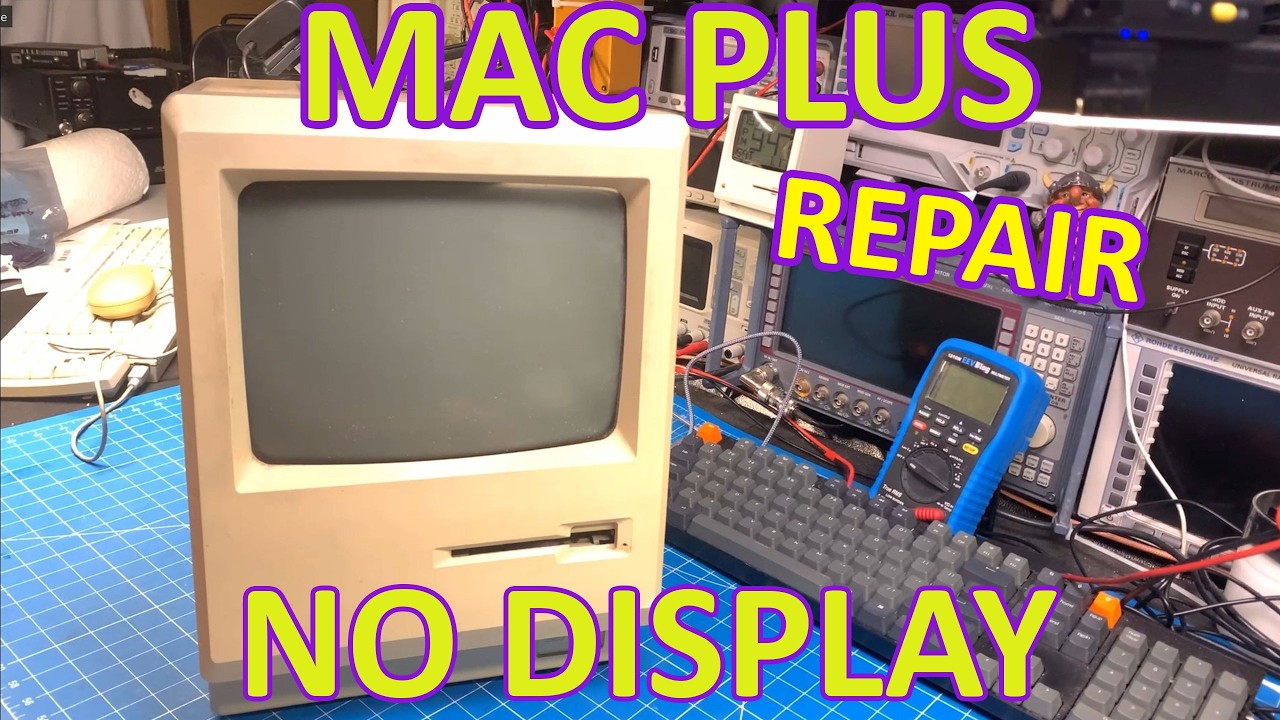
The Macintosh Plus is a beloved piece of computing history, known for its iconic design and significant contributions to personal computing. However, like many vintage electronics, it can suffer from various issues over time, including display problems. In a recent video, a dedicated technician undertakes the challenge of repairing a Macintosh Plus that has lost its display functionality. This repair process involves two critical tasks: re-capping the analog board and rebuilding the analog to logic board cable.
Understanding the Problem
The video begins with a thorough examination of the Macintosh Plus to identify the root cause of the display failure. The technician explains that older electronic components, especially capacitors on the analog board, can degrade over time, leading to malfunction. The analog board is responsible for converting signals so that the display can render images, making it a crucial component in the functioning of the Macintosh Plus. By addressing the analog board, the technician aims to restore the display to its former glory.
Re-Capping the Analog Board
Re-capping, the process of replacing old capacitors with new ones, is a standard procedure in repairing vintage electronics. The video showcases the step-by-step approach taken by the technician, highlighting the importance of using high-quality replacement parts. The video also features a detailed parts list, accessible through a provided link, ensuring that viewers can easily find the necessary components for their own repair projects. This transparency not only empowers viewers but also fosters a community of enthusiasts who appreciate the intricacies involved in vintage tech repair.
Rebuilding the Analog to Logic Board Cable
In addition to re-capping the analog board, the technician also focuses on rebuilding the cable that connects the analog board to the logic board. This cable is vital for transmitting signals between the two boards. Throughout the video, the technician emphasizes the careful handling of components and the precision required to ensure a successful repair. By showcasing this process, the video educates viewers on the significance of every part in the system and the meticulous work needed to restore functionality.
Conclusion: A Journey of Restoration
The repair of the Macintosh Plus serves as a reminder of the durability and charm of vintage technology. By diving into the intricacies of the repair process, the technician not only aims to fix a classic machine but also inspires others to engage with their own vintage electronics. The detailed approach and the sharing of resources encourage a sense of community among tech enthusiasts, proving that with the right knowledge and tools, even the most challenging repairs can be tackled. Whether you’re a seasoned repair expert or a curious beginner, this journey of restoration highlights the rewarding experience of bringing old technology back to life.
In this video we repair a Macintosh plus. Re-capping the analog board and rebuilding the analog to logic board cable.
Analog board parts list: https://docs.google.com/spreadsheets/d/132RwzC8HM5ask-BdY_31txErOCwJDSkz099GY2XLpE0/edit?usp=sharing
Watch on YouTube: This Macintosh Plus Has No Display. Can It Be Fixed?
Subscribe: Click here