
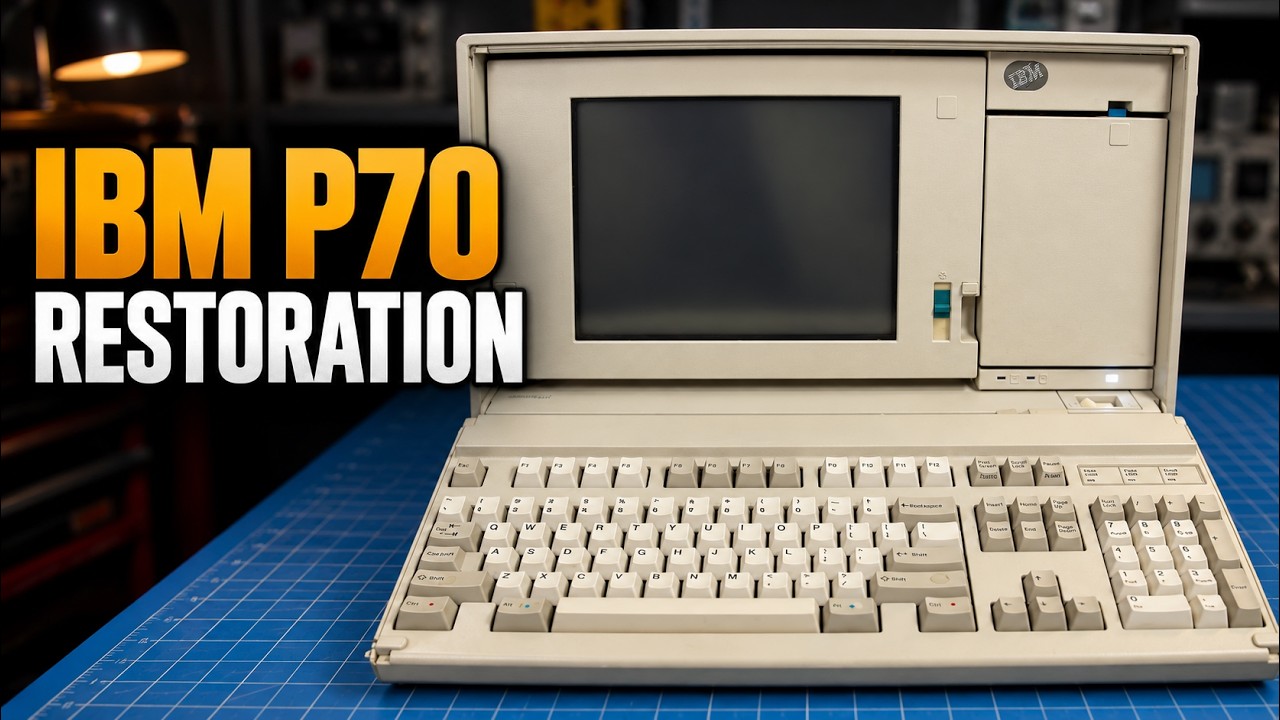
The journey of restoring a vintage computer is often filled with surprises, and the 1989 IBM PS/2 Model P70 is no exception. In this exciting first part of the restoration series, the unboxing and first inspection reveal a portable 386 machine that has remained untouched for decades. Wrapped up and untested, the P70 boasts a gas-plasma display and an original 120 MB hard drive—a testament to its era. However, the restoration process is complicated by the presence of an unreasonable number of different screws, hinting at the intricate design of this retro device.
Initial Inspection and Disassembly
The initial inspection of the P70 sets the stage for what lies ahead. The video showcases the careful unwrapping of the device, leading to a thorough examination of its components. The presenter highlights the unique features of the model, particularly the gas-plasma display, which was a cutting-edge technology in the late ’80s. After the inspection, the real work begins with disassembling the unit, which involves navigating a seemingly endless array of screws, each requiring careful handling to avoid any damage during the teardown process.
Cleaning and Recapping Components
Once the machine is opened up, the focus shifts to cleaning and recapping the floppy disk and hard drive boards. This crucial step not only ensures that the components are free of dust and grime but also revitalizes the aging electronics. Recapping involves replacing old capacitors that may have degraded over time, a common necessity in vintage restorations. The speaker emphasizes the importance of this process for improving the longevity and performance of the device.
Innovative Repairs and Enhancements
In an impressive display of ingenuity, the host fabricates a replacement display hinge using a 3D printer. This innovative solution not only restores functionality to the display but also highlights the blend of modern technology with vintage computing. Additionally, the video shows the process of bracing two broken RAM retainers, ensuring that the memory components are securely held in place. These repairs are essential for the overall stability of the system and demonstrate the presenter’s commitment to preserving the integrity of the original design.
First Power-On and Future Plans
With the restoration tasks completed, the moment of truth arrives as the P70 is reassembled for its first power-on. The anticipation builds as the host prepares to test the machine, marking a significant milestone in the restoration journey. Viewers are left eager for the next installment as the speaker teases further explorations and repairs in Part 2. The excitement of reviving such a classic piece of technology resonates throughout the video, inviting enthusiasts and newcomers alike to stay tuned for more updates on this remarkable restoration project.
An IBM PS/2 Model P70 arrived wrapped up and untested, so we’re going in blind. This 1989 portable 386 has a gas-plasma display, its original 120 MB hard drive, and an unreasonable number of different screws.
In Part 1, I unwrap and inspect it, tear it down, clean and recap the floppy and hard-drive boards, make a replacement display hinge with a 3D printer, and brace two broken RAM retainers. Then it all goes back together for the first power-on.
The restoration continues in Part 2.
#IBMP70 #VintageComputers #SalvageGeek
Watch on YouTube: Can I Restore This 1989 IBM PS/2 P70? (Part 1)
Subscribe: Click here