
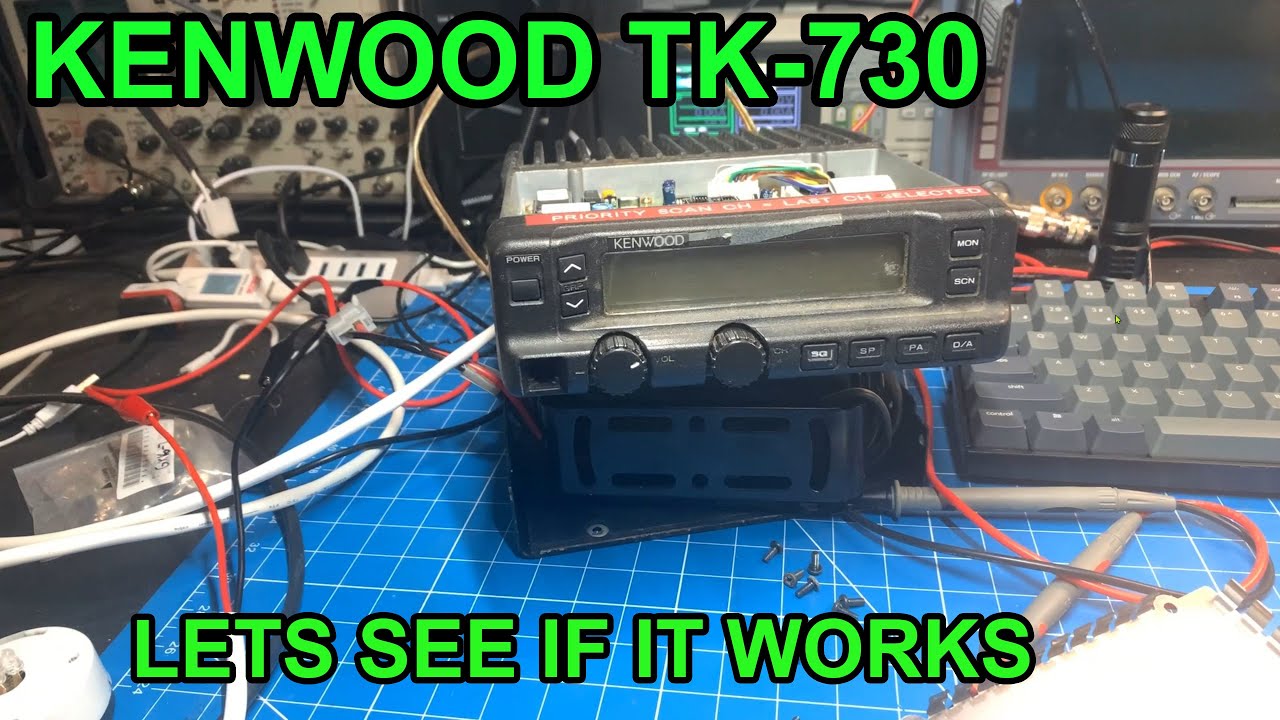
In today’s blog, we dive into the fascinating world of vintage radios through a hands-on exploration of the Kenwood TK-730, a VHF land mobile radio that previously served the needs of BC Rail. The video starts with the presenter expressing uncertainty about the radio’s functionality, as it may have been sitting idle for quite some time. The first step in the journey is to replace the non-standard power connector with a standard Kenwood connector, allowing for proper testing of the device without needing to purchase any additional parts.
Diagnosing Power Issues
As the presenter opens the Kenwood TK-730, they quickly realize the challenge of powering it on. Many older Kenwood radios require an external speaker, which connects through a specific port, often necessitating a jumper for ignition input. After consulting the manual, the presenter identifies that pin number three is designated for a 12V DC ignition input. A quick modification with a jumper wire leads to the satisfying sound of relays clicking, indicating that the radio is receiving power. However, a flashing display presents another layer of complexity that hints at potential programming issues.
Programming Challenges and Solutions
With the radio powered up, the presenter connects it to a universal programmer and a Toughbook using DOSBox to read and modify its settings. The flashing screen could stem from a corrupt EEPROM or incorrect programming related to the radio’s multi-head functionality. Thankfully, the presenter is able to access the programming and confirm that the radio is set up for single-band operation. After some trial and error, including programming a test frequency, the flashing issue is resolved, and the presenter hears audio feedback through the connected speaker, marking a significant milestone in the repair process.
Revamping the Radio’s Design
With the radio operational, the next phase involves enhancing its functionality. The presenter discusses the limitations of the TK-730, which only supports 32 channels, and expresses a desire to expand this capability. To do so, they outline plans for 3D printing a new rear plate that accommodates a standard power connector and a 3.5mm mono headphone jack for external speakers. This modification aims to streamline the radio’s usability while maintaining its vintage aesthetic.
Future Prospects and Community Engagement
The video concludes with the presenter expressing enthusiasm for future modifications, particularly the prospect of adding more channels by swapping the EEPROM chip. They invite viewers to engage with the content by liking, commenting, and subscribing for updates on this ongoing project. This interactive approach not only builds a community around vintage radio restoration but also encourages knowledge sharing among enthusiasts. As the journey with the Kenwood TK-730 continues, it’s clear that the presenter is passionate about breathing new life into this classic piece of technology.
Just seeing if this radio works and what we can do with it in the future.
Watch on YouTube: Playing with a Kenwood TK-730
Subscribe: Click here